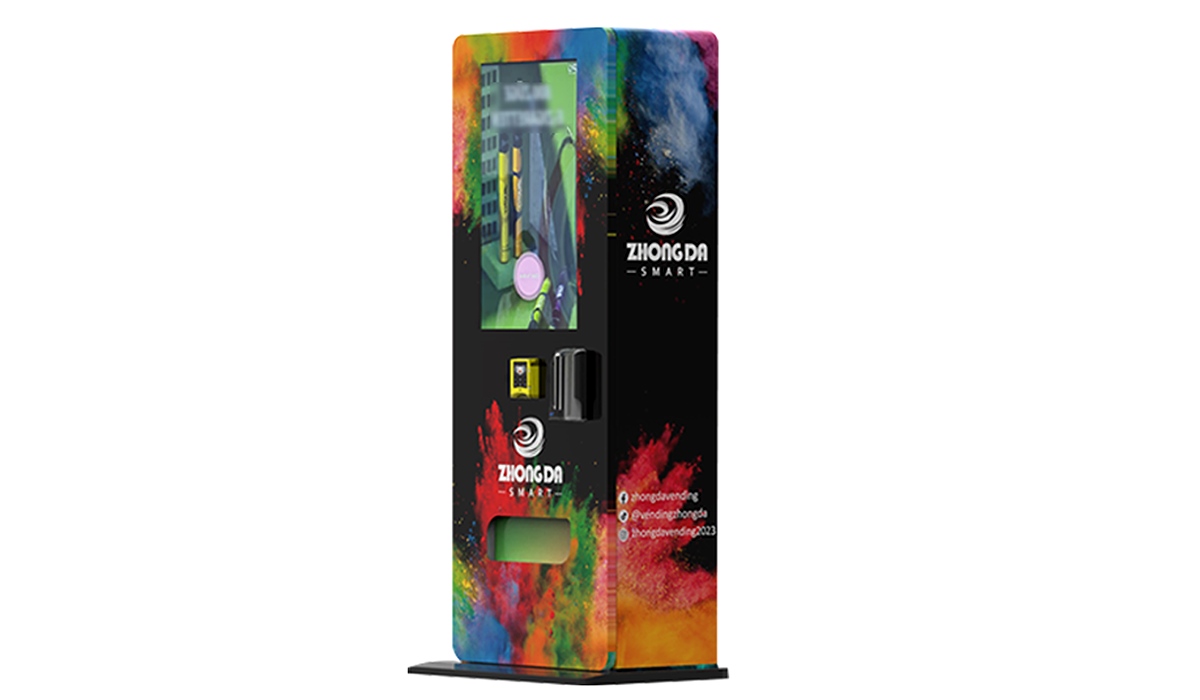
A fresh strategy for distributing e-cigarettes is becoming popular distributors armed with verification technologies. These automated kiosks initially appearing in limited regions propose an evolution in consumer possession of smoking alternatives while allegedly striving to thwart underage transactions. The presence of high-tech confirmation mechanisms involving facial scans or barcode systems endeavors to eliminate fears about unauthorized buying, though the effectiveness of such systems persists as a point of scrutiny. Industry watchers are studying trends meticulously for wide implementation or face compliance obstacles.
Validated Vaping Outlets: Help or Doubt?
The appearance of confirmed nicotine retailers enforcing ID scrutiny provoked talk. Proponents focus on augmented usability granting fast availability alongside decreased staffing. However, critics mention doubts about security and operational flaws restricting transactions and whether technology effectively discourages minor acquisition or causes problem transfer elsewhere; furthermore, some question reliability and accuracy of current methods for identity validation. The long-term impact on industry landscape alongside purchaser outcomes stays under examination.
Nicotine Delivery Unit Innovations and Buyer Authentication
The surge of smart e-liquid vending machines causes inquiries in user authentication. These devices typically utilize varied procedures applying facial scan and security validation to prevent sales to individuals individuals below legal threshold. However, concerns remain about strength and legitimacy of confirmation processes and potential workarounds used by underage users. Manufacturers are constantly striving to improve verification methods with modernized biometric scanning and superior detection algorithms and integrate them with databases checking for correct identity records and accepted endorsements, though loopholes and evolving sophistication of attempts to circumvent the system continue to challenge oversight bodies and economic contributors uniformly. The goal remains to balance convenience for verified clients supported by strict youth exclusion.
Rapid Growth of Protected Vape Dispensing Machines
A growing movement takes shape in the vaping sector involving protected retailers. Previously, open access raised concerns regarding underage distribution and misuse. Now, vape vending machine with id scanner creators and sellers steadily implement biometric readers, age checking solutions, and live inventory management. These systems seek to limit marketplace access to eligible customers alongside enhanced stock control and pilferage reduction. Countless pros appear evident.
- Elevated security measures thwarting unlawful procurement
- Enhanced conformity with official rules
- Augmented management capabilities for establishments
- Abated vulnerability to sanctions
Legal Framework for Vaping Machines with Identification Scans
The transforming legal environment related to electronic smoking devices imposing age screening grows elaborate. State laws vary significantly with some jurisdictions requiring proof of age for all sales, while others have more limited restrictions. Federal regulations from the FDA also influence this area, particularly regarding product approval and marketing. Retailers encounter possible fines for violation, necessitating awareness and observance of applicable regulations. Challenges also arise concerning data privacy related to collected ID information. The legal battleground continues to shift as courts and legislatures balance public health with individual liberties.
Vape Retail Kiosks: Coordinating Access and Trustworthiness
Evolving in distribution, e-liquid machines generate detailed argumentation about social welfare. While proponents highlight potential benefits demonstrating accessibility for authorized buyers and decreasing clerk involvement, concerns are expressed regarding juvenile availability. Professionals highlight necessity of enforceable statutes featuring identity verification equipment, ensuring responsible product management and safety assurance while facilitating adult access and safeguarding youth. Finding a workable path enhancing supply while restricting minor consumption remains a critical challenge for lawmakers and public authorities, governors, executives.
Incorporating Digital Age Scans into E-liquid Vending Machines
To achieve fulfillment with developing age validation standards, nicotine distributor operatives employ license scanning hardware. This solution involves installing mechanisms scanning age proof from government-issued IDs or legal credentials to automatically confirm age. Successful implementation requires precise apparatus assessment coupled with software setup ensuring reliable data handling and storage. Furthermore, employee training is vital; staff must be educated on proper operation and navigating authentication concerns simultaneously with ensuring privacy safeguards through secure storage practices.
Interactive Vending Solutions: Upgrading Verification Methods in Tobacco-less Retail
The vaping industry is undergoing significant shifts driven by the introduction of smart vending machines featuring age verification scanners. These systems alter thorough vape merchandise distribution by substituting conventional retail layouts with controlled options. Previously, consumer entry had gaps, resulting in immature procurement. Now, requiring required legal ID authenticated with device recognition spreads, aiming to strictly enforce age restrictions and deter illicit sales. This technology leverages innovative biometric indicators, digital proofs, or individual tokens endorsing consumer authentication. Furthermore, some vendors implement purchase tracking and limits per customer, creating accountable retail environments, potentially influencing future regulations and reducing underage vaping incidence.
- Fortifies controls
- Decreases youthful opportunity
- Imparts commerce documentation
Predicted Path of Electronic Smoking Device Distribution Enhanced by Robotic Machines and Verification Procedures
The repository of electronic smoking tools projects modification as automated machines combine with thorough age confirmation practices. Expect reduced established brick-and-mortar stores balanced by rising self-service dispensers focused on vaping products. These systems promise amplified procedural competence for vendors coupled with less staffing expenditure. Moreover, implementation of advanced age verification technologies – comprising fingerprint analysis or encrypted credential validation – aims to bolster regulatory compliance and deter underage access, addressing ongoing concerns about youth vaping. This transition could also lead to changes in consumer experience, with expanded ease counterbalanced by curtailed customized help. Ultimately, we will likely witness a more streamlined and regulated nicotine delivery machine procurement approach unfolding ahead.
- Enhanced operational efficiency
- Lowered employee expenses
- Strict customer authentication measures
