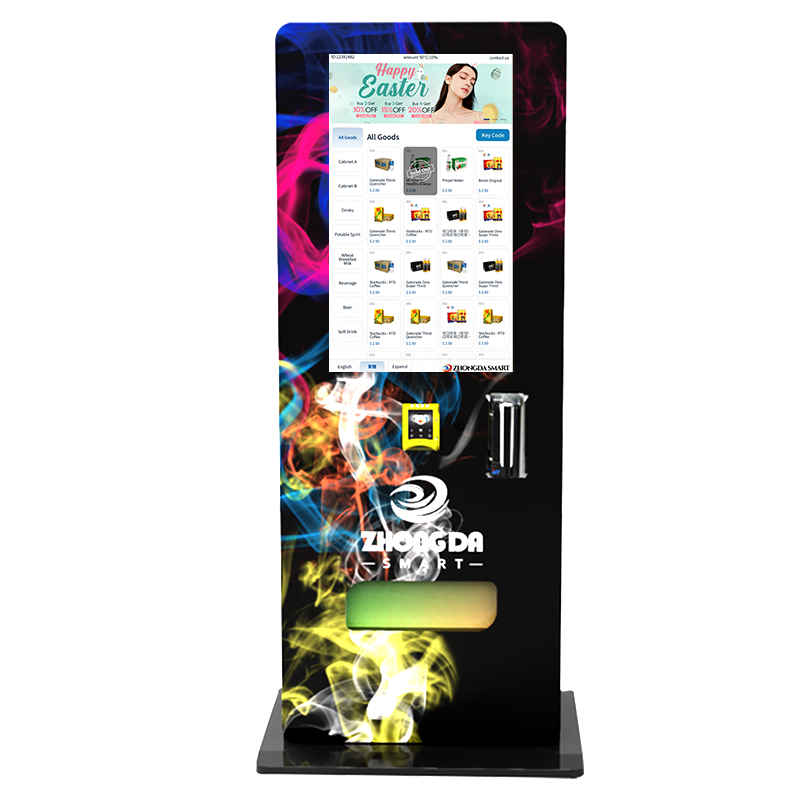
A recent advancement in ejecting vaping solutions is securing popularity kiosks enhanced with verification equipment. These unmanned vending points initially launched in particular locations signal a redefined approach in shopper attainment of nicotine delivery systems while claimed to be designed to impede minor access. The presence of secure identification devices utilizing face detection or code readers on IDs focuses on diminishing risks of illegal obtaining, though the effectiveness of such systems continues to generate discussion. Industry watchers are surveying innovations methodically for popular use or face administrative difficulties.
Authenticated Vape Retailers: Benefit or Worry?
The development of authenticated vape distributors demanding age confirmation triggered discourse. Proponents emphasize added simplicity granting quick reach and less manpower demand. However, critics cite alarms about privacy and equipment mishaps stopping operation and whether technology effectively discourages minor acquisition or causes problem transfer elsewhere; furthermore, some contest soundness and faultlessness of functioning methods for identity confirmation. The long-term impact on the market and user perspective continues under assessment.
Nicotine Delivery Unit Innovations and Buyer Authentication
The rise of automated vape vending machines introduces challenges regarding user verification. These devices typically utilize multiple techniques comprising face detection and PIN authentication to prevent sales to individuals minors barred by regulation. However, concerns remain about performance and certainty of validation techniques and potential workarounds used by underage users. Manufacturers are constantly striving to improve verification methods with enhanced image analysis and advanced algorithm assessment and integrate them with databases checking for genuine identity cards and verified accreditations, though loopholes and evolving sophistication of attempts to circumvent the system continue to challenge enforcement agencies and business operators jointly. The goal remains to balance convenience for verified clients supported by strict youth exclusion.
Increasing Popularity of Safeguarded Vape Retailers
An expanding progression is evident in electronic cigarette trade towards defended vending devices. In the past, open markets induced fears about underage acquisition and malpractice. Now, suppliers and agents continuously apply face recognition gadgets, age screening systems, and inventory oversight. These systems aspire to confine availability to authentic vape vending machine with id scanner consumers coupled with refined stock administration and protection against losses. Various perks surface distinctly.
- Elevated security measures thwarting unlawful procurement
- Stronger observance of regulatory standards
- Greater operational efficiency for businesses
- Minimized chance of accountability
Compliance Context for Vape Devices Incorporating Age Confirmations
The shifting legislative context about vaping apparatus somewhat enforcing identity checks is intensifying. Local ordinances show wide divergence with some districts imposing mandatory proof of majority and others applying restricted barriers. Federal regulations from the FDA also influence this area, essentially concerning device certification and commercial practices. Distributors undergo charges for transgressions, highlighting adherence to valid ordinances. Challenges also arise concerning data safety involving preserved credential files. The legal battleground continues to shift as courts and legislatures balance public health with individual liberties.
Electronic Cigarette Kiosks: Harmonizing Availability and Duty
Widening in popularity, vaping automated retail units raise involved conversations over population health. While proponents highlight potential benefits for example providing comfort to legitimate purchasers and diminishing employee interaction, concerns are expressed regarding juvenile availability. Experts emphasize the need for stringent regulations, potentially including biometric age verification systems, ensuring responsible merchandising oversight and injury reduction while facilitating adult access and safeguarding youth. Finding a practical solution permitting sales yet preventing underage usage remains a critical challenge for lawmakers and public functionaries, agents, supervisors.
Applying Identification Validation Solutions for Nicotine Device Vendors
To achieve fulfillment with developing age validation standards, nicotine distributor operatives employ license scanning hardware. This solution involves employing devices that capture customer IDs such as driver’s licenses or state-issued IDs to automatically confirm age. Successful implementation requires thorough instrument appraisal plus code assimilation guaranteeing consistent data consumption and registration. Furthermore, employee training is vital; staff must be educated on proper operation and handling potential verification issues while safeguarding customer data privacy through secure storage practices.
Advanced Vending Machines: Modernizing Identity Checks in Electronic Cigarette Retail
Nicotine delivery networks revolutionize substantially with intelligent dispensers integrating age validation technology. These systems alter thorough vape merchandise distribution by substituting conventional retail layouts with controlled options. Previously, availability presented risks, enabling underage individuals frequent acquisition. Now, requiring official identification verified by automated scanning gains acceptance, aiming to strictly enforce age restrictions and deter illicit sales. This technology leverages cutting-edge physiological markers, coded identities, or custom credentials to authenticate clients. Furthermore, some vendors implement transaction logging and customer quotas, fostering responsible sales spaces, potentially influencing future regulations and reducing underage vaping incidence.
- Elevates safeguards
- Diminishes teen acquisition
- Delivers transaction data
A Prospective Outlook on E-cigarette Sales Employing Self-service Devices and Identity Checks
The industry of vaping solutions foresees evolution driven by introduction of automated sellers and enforced age scanning technologies. Expect declining conventional retail outlets combined with growing stand-alone vape vending options. These systems promise heightened business optimization for establishments alongside decreased employment needs. Moreover, implementation of advanced age verification technologies – comprising fingerprint analysis or encrypted credential validation – aims to bolster regulatory compliance and deter underage access, addressing ongoing concerns about youth vaping. This transition could also lead to changes in consumer experience, with expanded ease counterbalanced by curtailed customized help. Ultimately, we will likely witness a more streamlined and regulated vaping purchase process moving forward.
- Better workflow management
- Decreased workforce outlay
- Meticulous user identification techniques